How to Prevent Frozen Pipes During Peoria IL Winters
Every winter, temperatures across Central Illinois plunge well below freezing, and every year, Peoria homeowners wake up to the same nightmare: no water from the tap, or worse, water pouring through a ceiling from a burst pipe. Frozen pipes are one of the most common and most expensive winter plumbing emergencies we see at Peoria Heights Plumbing.
The good news is that frozen pipes are almost entirely preventable. With a little preparation before the deep cold sets in, you can protect your home and avoid a costly mid-winter emergency. Here is what our licensed plumbers recommend.
Why Pipes Freeze in Peoria Homes
Pipes freeze when exposed to sustained cold air, and many Peoria homes have plumbing running through vulnerable spots: unheated basements, crawl spaces, attics, garages, and inside exterior walls. Older homes in Peoria are especially at risk, since their pipes may have little or no insulation.
When water freezes, it expands, creating tremendous pressure inside the pipe with nowhere to go. Eventually the pipe splits, often at a joint. The real flooding usually happens later, when the ice thaws and water rushes through the break. A single burst pipe can release gallons of water per minute into your walls and floors.
7 Proven Ways to Prevent Frozen Pipes
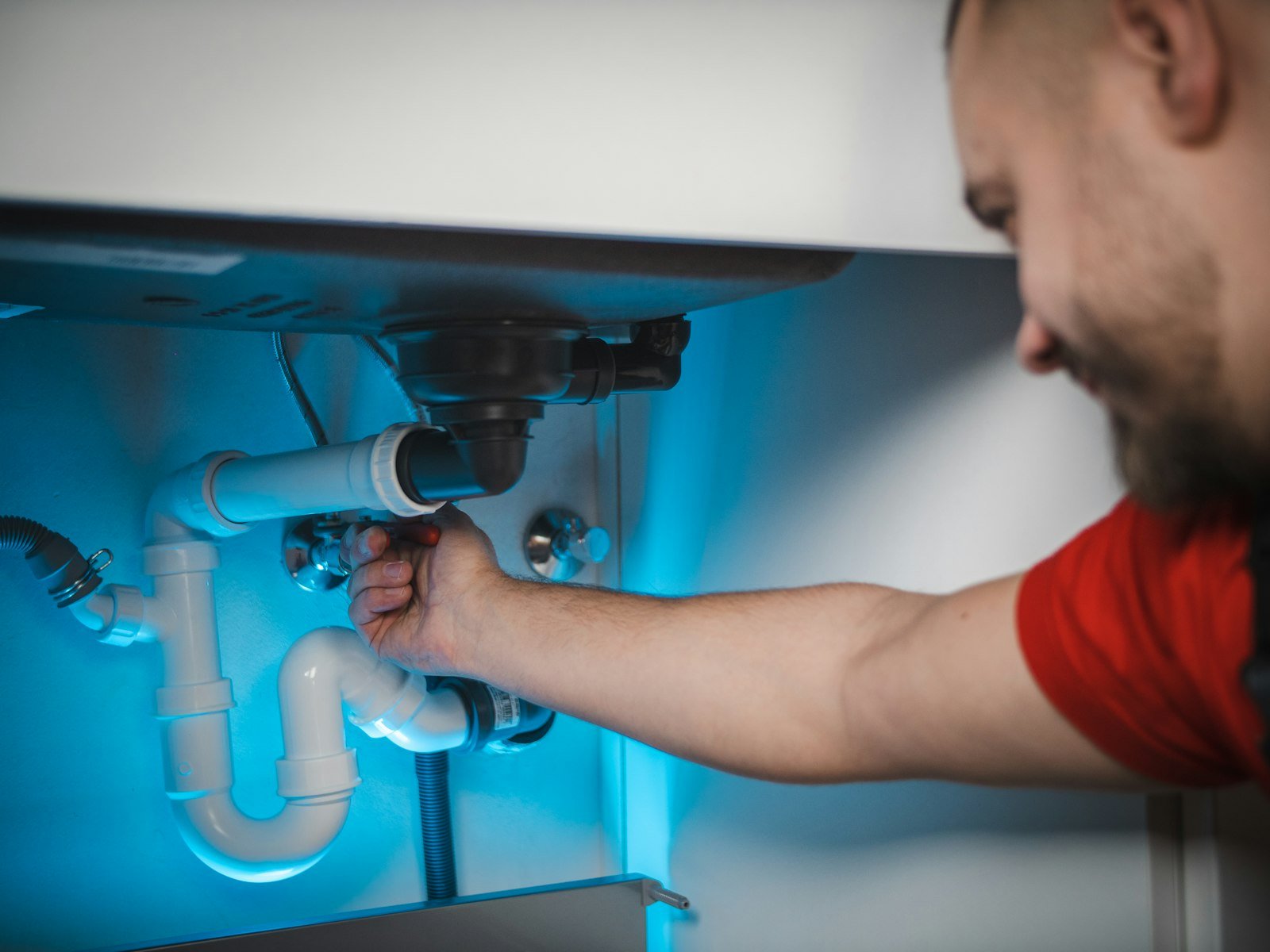
1. Insulate exposed pipes. Foam pipe sleeves are inexpensive and available at any hardware store. Slip them over pipes in basements, crawl spaces, attics, and garages, paying special attention to runs along exterior walls.
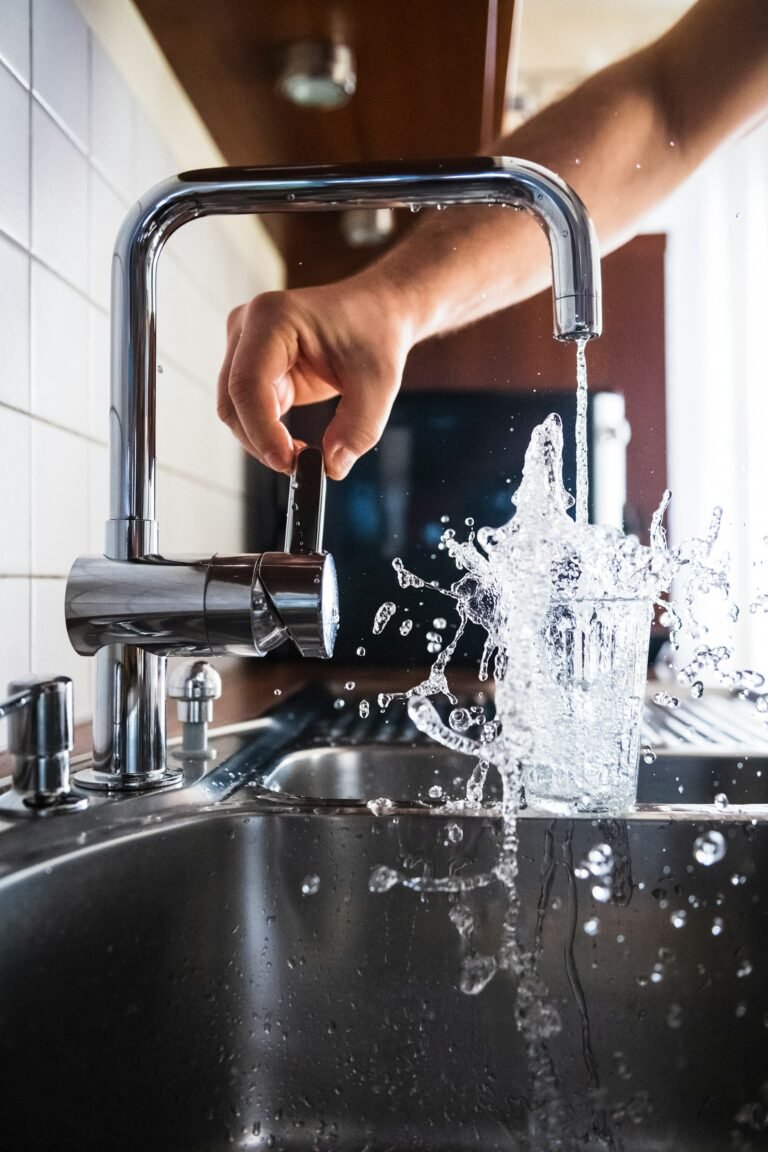
2. Let faucets drip during extreme cold. When the forecast calls for single digits or below zero, let hot and cold taps drip slightly overnight, especially faucets served by exposed pipes. Moving water is much harder to freeze.
3. Keep the heat on, even when you travel. Never set your thermostat below 55°F in winter, even during holiday trips. The savings are nothing compared to the cost of a burst pipe flooding your empty home.
4. Seal air leaks around pipes. Cold air sneaks in through small gaps. Use caulk or spray foam to seal openings where pipes pass through exterior walls, foundations, and floors.
5. Disconnect hoses and shut off outdoor spigots. Before the first hard freeze, disconnect garden hoses and drain outdoor faucets. A frozen outdoor spigot can burst the pipe inside your wall.
6. Open cabinet doors under sinks. On bitterly cold nights, open cabinet doors beneath sinks on exterior walls so warm room air circulates around the pipes.
7. Know where your main water shut-off is. If a pipe bursts, closing your main valve within minutes can mean the difference between a mop-up and a full renovation. Find it now, usually in the basement or near the water meter.
What to Do If a Pipe Freezes Anyway
Suspect a frozen pipe if a faucet produces only a trickle while others work fine, or you see frost on an exposed pipe. Keep the faucet open and gently warm the pipe with a hair dryer or warm towels, working from the faucet back toward the frozen section. Never use an open flame. If the pipe has burst or you cannot find the frozen section, shut off your main valve and call our emergency plumber in Peoria IL immediately.
Plumbing Help Near You
Need a hand with this job? Our licensed Peoria plumbers can help.
- 24/7 emergency plumber in Peoria IL for a frozen or burst pipe
- Leak detection and repair if a thawed pipe starts to drip
- Plumber in Morton where open land brings hard winter wind
- Plumber in Washington for older homes on the edge of town
Call (309) 322-6312 any time, day or night.
Frequently Asked Questions
At what temperature do pipes freeze in Illinois?
Pipes can start freezing at 20°F, but the real danger zone is sustained temperatures in the teens or single digits, common in Peoria from December through February. Wind driving cold air into crawl spaces makes it worse.
Should I drip all my faucets or just one?
Focus on faucets served by pipes in vulnerable areas: exterior walls, unheated basements, and crawl spaces. A slow drip from both hot and cold sides is enough.
Will pipe insulation alone prevent freezing?
Insulation slows heat loss but does not create heat. In extreme cold, combine it with the other steps above, especially keeping the heat on and dripping faucets.
Does homeowners insurance cover burst pipes?
Most standard policies cover sudden water damage from burst pipes, but they may exclude damage if the home was left unheated. Check your policy before winter, not after a flood.
How fast can a plumber respond to a burst pipe?
Peoria Heights Plumbing offers true 24/7 emergency service. Call +1 (309) 322-6312 any time, nights, weekends, and holidays, and a licensed plumber will respond.
Do Not Let Winter Win
A few hours of prevention now can save thousands in water damage later. And if the cold catches you off guard, shut off your main valve and call Peoria Heights Plumbing at +1 (309) 322-6312. We serve Peoria, Peoria Heights, East Peoria, Morton, Washington, Dunlap, Pekin, and Chillicothe with 24/7 emergency service, upfront pricing, and our 100% satisfaction guarantee.
Should I drip my faucets when it is below freezing?
Yes. A slow drip from faucets on outside walls keeps water moving and relieves pressure in the pipe. It costs very little compared to a burst pipe repair.
What do I do if a pipe freezes?
Open the faucet, then warm the pipe slowly with a hair dryer or space heater. Never use an open flame. If you cannot find the frozen spot or the pipe has cracked, shut off the main water valve and call (309) 322-6312.